Go to the main content
The Steady Day Small hours, repeated
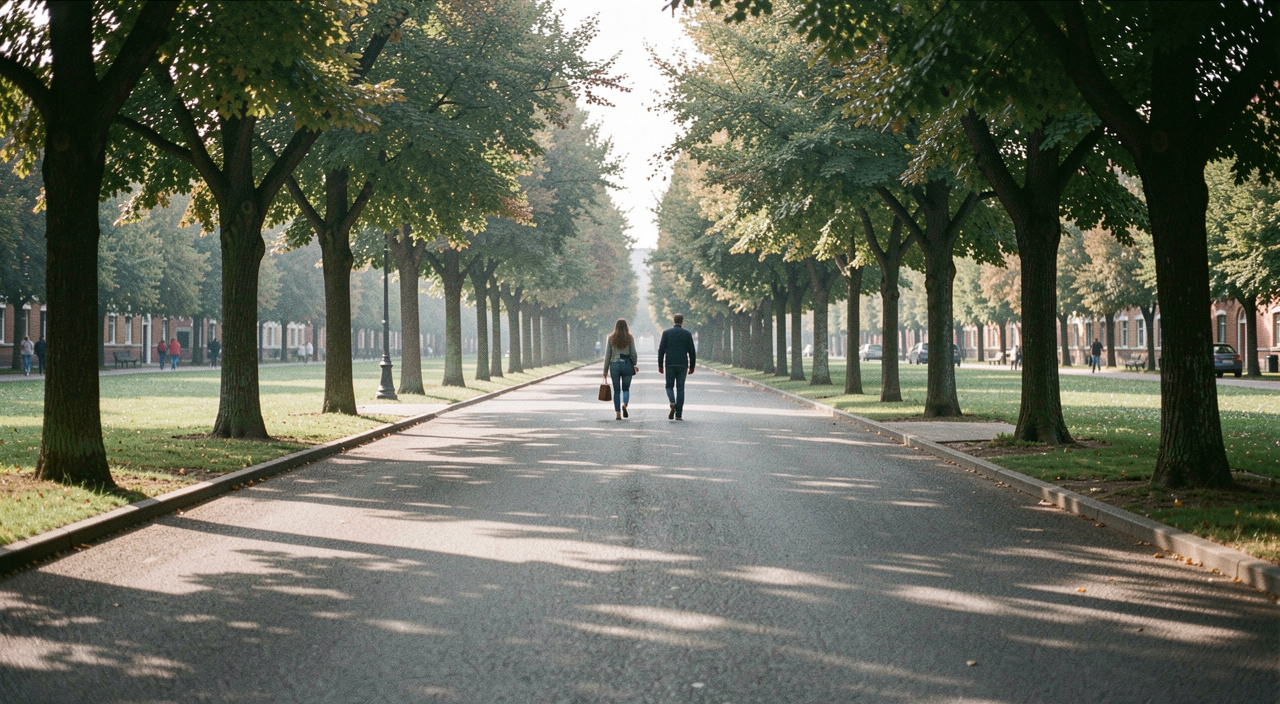
A wide tarmac path through a city park in the morning with two walkers in the middle distance and plane trees on either side

Section of the magazine

Movement & Walking

Almost everything in this section is walking, because walking is the movement that survives a full week. The entries are about distance you already cover: the loop round the building after lunch, the stop before your stop, the pace that suits the moment, and the difference between six short walks and one long one.

Entries in this section

Movement and Walking, newest first

Every entry carries the date it was written. The dates are the only figures on this site that we ask anybody to take on trust, and they are the reason the order below is worth reading in either direction.

04/07/2026

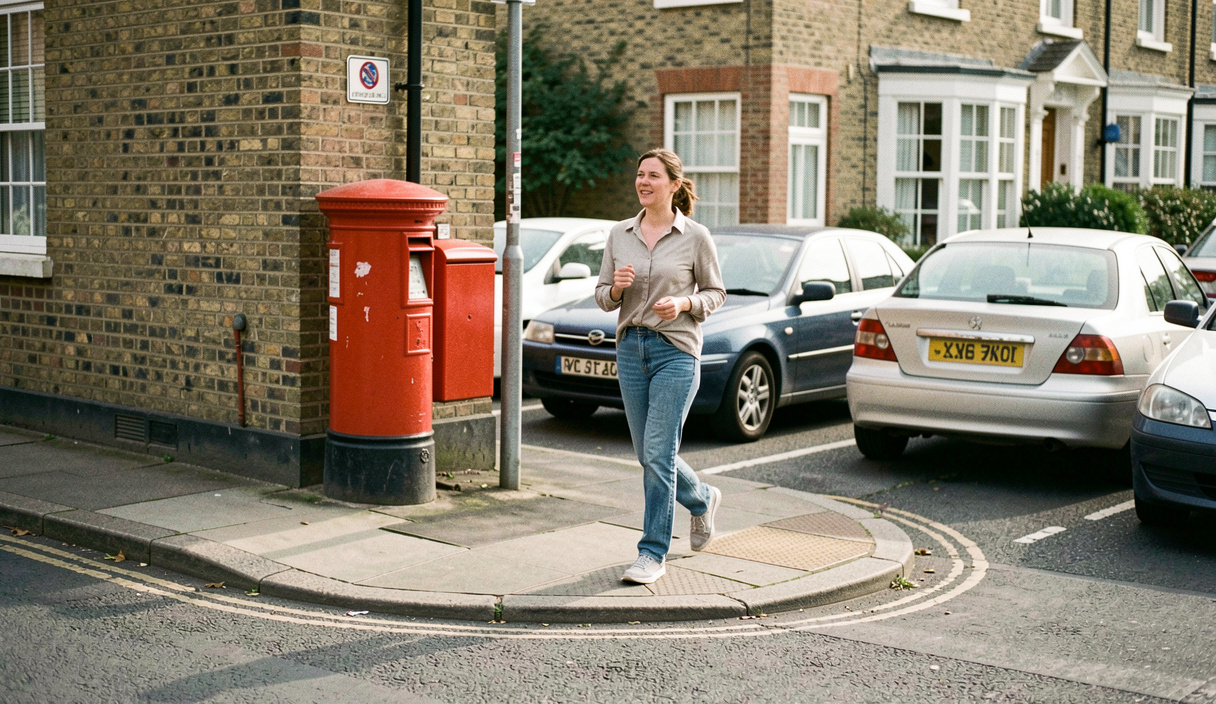
A residential street corner in mid morning with a woman rounding it at an easy pace, a red postbox and parked cars behind her
Movement & Walking

Short Walks Versus Long Walks: What Each One Does

Two people can walk the same total minutes in a week and have completely different weeks. Short walks break up a working day. A long walk empties two hours of it. Make the short ones the habit and the long one the event.

26/06/2026

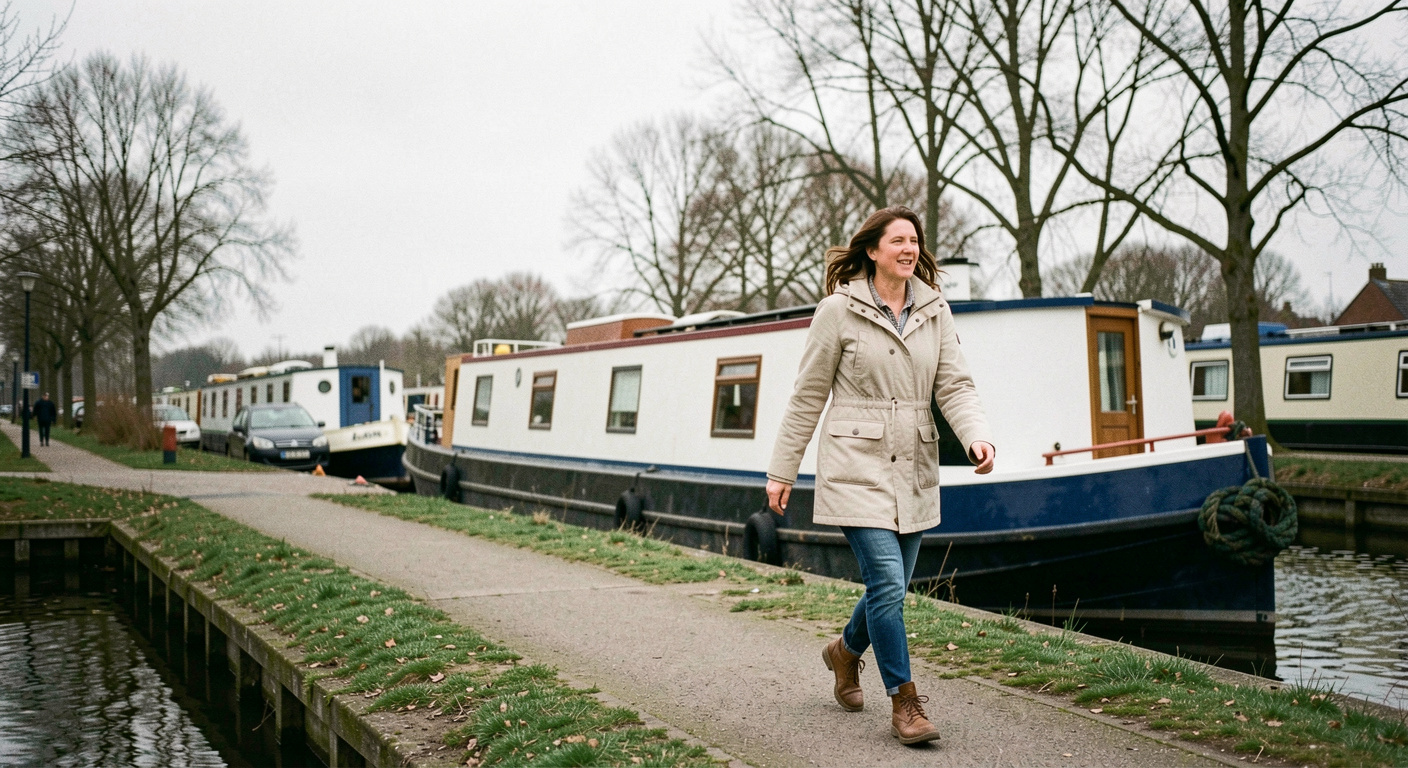
A woman walking quickly along a canal towpath in a light jacket, a narrowboat and bare trees behind her under a flat grey sky
Movement & Walking

How Walking Pace Relates to Daily Energy Levels

A slow walk and a brisk walk are two different habits that happen to use the same pavement. They are not points on a scale, they do different jobs, and picking the wrong one for the moment is the usual mistake.

10/06/2026

Two colleagues walking along a pavement beside a glass office building just after midday, jackets left behind, one carrying a paper cup
Movement & Walking

The Ten Minute Walk After Meals Habit

Ten minutes is too short to feel like exercise and too long to be nothing, which is exactly why it survives. We look at why a loop beats a destination, and at the three ways the habit usually dies in its second week.

WHERE THIS SECTION LEADS

The habits in Movement and Walking run into two neighbours more often than into any others. The first is Stress and Calm, where the question of calm is taken up from the other side, and the second is Desk and Posture, which handles the the desk end of the same subject. Readers who prefer to follow the dates rather than the sections can do that from the front page, where every entry is listed in the order it was written.